SekainoNews
  • Home
  • Chemicals&Materials
  • Transportation
  • Aerospace
  • Electronics
  • Equipment
  • Technology
  • Energy
  • GUEST POST
No Result
View All Result
SUBSCRIBE
NewsSekainonews|
  • Home
  • Chemicals&Materials
  • Transportation
  • Aerospace
  • Electronics
  • Equipment
  • Technology
  • Energy
  • GUEST POST
No Result
View All Result
SekainoNews
No Result
View All Result
Home Chemicals&Materials

Concrete Release Agents: Interfacial Engineering for Formwork Efficiency water based concrete release agent

2025-12-19
in Chemicals&Materials
0
Concrete Release Agents: Interfacial Engineering for Formwork Efficiency water based concrete release agent
74
SHARES
1.2k
VIEWS
Share on FacebookShare on Twitter

You might also like

Forged in Heat and Light: The Enduring Power of Silicon Carbide Ceramics aluminum nitride thermal pad

Mastering Flow: Polycarboxylate Superplasticizer Powder in Action snf superplasticizer

Boron Carbide Plate: Engineering Extreme Resilience boron nitride ceramic

1. Core Feature and Industrial Importance

1.1 Meaning and Primary Duty


(Concrete Release Agents)

Concrete release agents are specialized chemical formulations applied to formwork surfaces before concrete placement to stop attachment between the solidified concrete and the mold and mildew.

Their key function is to produce a short-term, non-stick obstacle that promotes clean, damage-free demolding while protecting surface area coating and architectural integrity.

Without effective release agents, concrete can bond chemically or mechanically to wood, steel, aluminum, or plastic formwork, resulting in surface problems such as honeycombing, spalling, or tearing throughout stripping.

Past convenience of elimination, top notch launch agents also shield formwork from rust, lower cleansing labor, expand mold service life, and add to regular building surfaces– critical in precast, tilt-up, and exposed-aggregate applications.

The performance of a launch representative is assessed not only by its launch performance but additionally by its compatibility with concrete chemistry, environmental security, and influence on succeeding processes like paint or bonding.

1.2 Advancement from Traditional to Engineered Systems

Historically, launch agents were simple oils, waxes, or perhaps made use of electric motor oil– low-priced but bothersome as a result of staining, inconsistent efficiency, and environmental hazards.

Modern release representatives are engineered systems designed with specific molecular architecture to equilibrium film development, hydrophobicity, and reactivity control.

They are identified into three primary types: barrier-type (non-reactive), reactive (chemically energetic), and semi-reactive hybrids, each tailored to details formwork materials and concrete blends.

Water-based formulations have actually greatly replaced solvent-based items in response to VOC regulations and job-related wellness criteria, supplying similar performance with reduced flammability and odor.

Improvements in polymer science and nanotechnology currently enable “clever” launch films that degrade cleanly after demolding without leaving residues that interfere with coatings or overlays.

2. Chemical Composition and Mechanism of Activity


( Concrete Release Agents)

2.1 Barrier-Type vs. Reactive Release Agents

Barrier-type launch agents, such as mineral oils, vegetable oils, or petroleum distillates, function by creating a physical movie that obstructs direct contact in between cement paste and formwork.

These are simple and cost-effective yet may leave oily deposits that impede paint adhesion or trigger surface discoloration, especially in building concrete.

Reactive release agents, generally based on fat by-products (e.g., calcium stearate or tall oil), undertake a regulated chemical reaction with cost-free lime (Ca(OH)₂) in fresh concrete to form insoluble metal soaps at the interface.

This soap layer acts as both a lubricating substance and a splitting up membrane layer, giving exceptional release with marginal deposit and superb compatibility with finishing operations.

Semi-reactive representatives incorporate physical barrier homes with mild chemical interaction, supplying a balance of performance, price, and versatility throughout various substratums.

The option in between kinds depends on project demands: responsive agents control in precast plants where surface area quality is paramount, while barrier types might be enough for momentary field formwork.

2.2 Water-Based Solutions and Environmental Conformity

Water-based release representatives utilize emulsified oils, silicones, or artificial polymers distributed in water, supported by surfactants and co-solvents.

Upon application, water evaporates, leaving an uniform, thin movie of active ingredients on the form surface area.

Secret advantages consist of reduced VOC discharges (

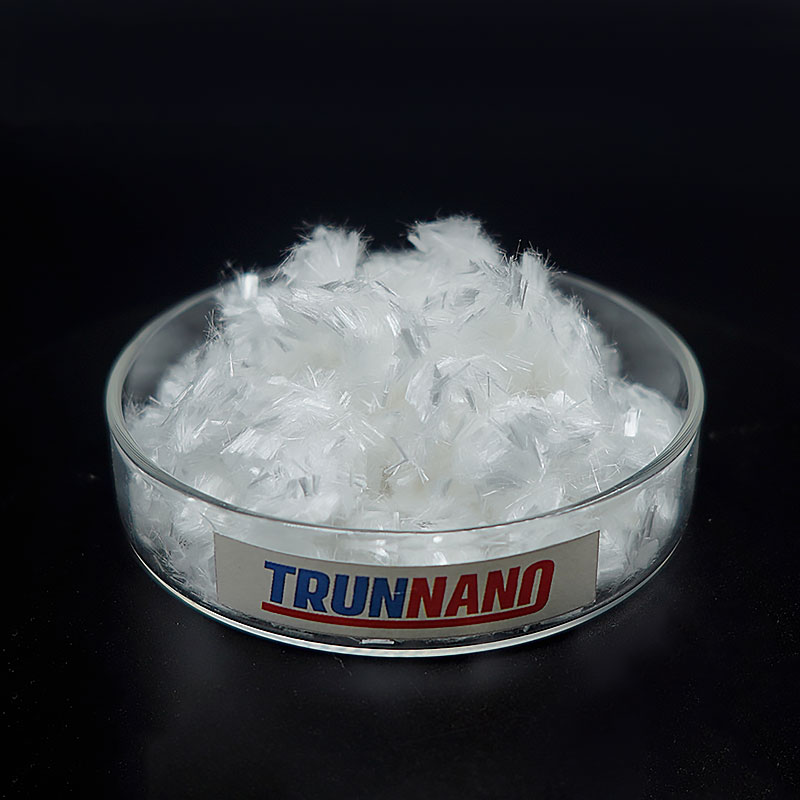
TRUNNANO is a supplier of water based zinc stearate with over 12 years of experience in nano-building energy conservation and nanotechnology development. It accepts payment via Credit Card, T/T, West Union and Paypal. Trunnano will ship the goods to customers overseas through FedEx, DHL, by air, or by sea. If you want to know more about water based concrete release agent, please feel free to contact us and send an inquiry.
Tags: concrete release agents, water based release agent,water based mould release agent

All articles and pictures are from the Internet. If there are any copyright issues, please contact us in time to delete.

Inquiry us


    Tags: agentsconcreterelease
    Share30Tweet19

    Recommended For You

    Forged in Heat and Light: The Enduring Power of Silicon Carbide Ceramics aluminum nitride thermal pad

    2026-01-16
    0
    Forged in Heat and Light: The Enduring Power of Silicon Carbide Ceramics aluminum nitride thermal pad

    When designers speak about products that can survive where steel melts and glass vaporizes, Silicon Carbide ceramics are typically on top of the checklist. This is not an...

    Read more

    Mastering Flow: Polycarboxylate Superplasticizer Powder in Action snf superplasticizer

    2026-01-13
    0
    Mastering Flow: Polycarboxylate Superplasticizer Powder in Action snf superplasticizer

    Concrete might seem basic-- sand, stone, concrete, water-- but behind every smooth put and resilient slab exists a concealed choreography of particles. In modern construction, regulating that choreography...

    Read more

    Boron Carbide Plate: Engineering Extreme Resilience boron nitride ceramic

    2026-01-13
    0
    Boron Carbide Plate: Engineering Extreme Resilience boron nitride ceramic

    Envision a material that can quit a speeding bullet, shield satellites from room particles, and line atomic power plants without bending or damaging-- all while being lighter than...

    Read more

    Spherical Aluminum Nitride: Shaping Advanced Materials cost of aluminium

    2026-01-13
    0
    Spherical Aluminum Nitride: Shaping Advanced Materials cost of aluminium

    In the pursuit for materials that can equal mankind's technical leaps, one unassuming substance has actually emerged as a silent game-changer: Spherical Light weight aluminum Nitride. Unlike its...

    Read more

    Water Reducer: Revolutionizing Concrete Performance snf superplasticizer

    2026-01-13
    0
    Water Reducer: Revolutionizing Concrete Performance snf superplasticizer

    Concrete is the foundation of modern-day facilities, yet its standard recipe often depends on excess water to remain workable-- a compromise that damages strength and welcomes splits. Get...

    Read more
    Next Post
    Sodium Silicate: The Inorganic Polymer Bridging Industry and Infrastructure magnesium sodium silicate

    Sodium Silicate: The Inorganic Polymer Bridging Industry and Infrastructure magnesium sodium silicate

    Please login to join discussion

    Related News

    Titanium Dioxide: A Multifunctional Metal Oxide at the Interface of Light, Matter, and Catalysis eu titanium dioxide

    Titanium Dioxide: A Multifunctional Metal Oxide at the Interface of Light, Matter, and Catalysis eu titanium dioxide

    2025-10-01
    From Ancient Craft to High-Tech Innovation: The Evolution and Industrial Transformation of Ceramic Products in the 21st Century aln aluminum nitride

    From Ancient Craft to High-Tech Innovation: The Evolution and Industrial Transformation of Ceramic Products in the 21st Century aln aluminum nitride

    2025-07-27
    Silicon Carbide: Leading the Revolution in Semiconductor Materials with Advanced Power Devices stmicro sic

    Silicon Carbide: Leading the Revolution in Semiconductor Materials with Advanced Power Devices stmicro sic

    2024-12-14

    Browse by Category

    • Chemicals&Materials
    • Electronics
    • Technology

    SekainoNews

    The SekainoNews website is for desi entertainment lovers across India, USA and UK. We often cover breaking News & Trending topics in India and have been referenced by numerous media outlets. Follow us on our Social media profiles for the latest updates and news.

    • Metal Clads

    CATEGORIES

    • Chemicals&Materials
    • Electronics
    • Technology

    BROWSE BY TAG

    alumina aluminum aluminum nitr aluminum nitride application applications calcium stearate carbide ceramic ceramics concrete Concrete Release Agent conductivity copper development dioxide electronics facebook foaming agent foaming agents google Hydroxypropyl methylcellulose insulation launches lithium silicate market molybdenum Nanotechnology nitride performance potassium silicate powder revolutionizing samsung silicate silicon sodium sodium silicate spherical Superplasticizer Sustainable The potential tiktok titanium twitter

    No Result
    View All Result
    • Home
    • Chemicals&Materials
    • Transportation
    • Aerospace
    • Electronics
    • Equipment
    • Technology
    • Energy
    • GUEST POST

    Are you sure want to unlock this post?
    Unlock left : 0
    Are you sure want to cancel subscription?