In the realm of innovative materials, where strength satisfies precision, Light weight aluminum Oxide Ceramic stands as a foundation of modern-day design. This humble ceramic, birthed from the union of aluminum and oxygen, grows in atmospheres that break minimal products– from the scorching warm of rocket engines to the sterilized chaos of semiconductor labs. Its secret hinge on a microscopic structure that balances firmness, warmth resistance, and chemical stability, making it essential for markets pushing the boundaries of efficiency. For a firm focusing on innovative porcelains, understanding Aluminum Oxide Porcelain isn’t practically production; it has to do with empowering customers to build harder, smarter, and much more reputable options. This write-up explores its atomic genius, the craft of its creation, and the vibrant frontiers it’s conquering today.
The Atomic Stamina of Light Weight Aluminum Oxide Porcelain
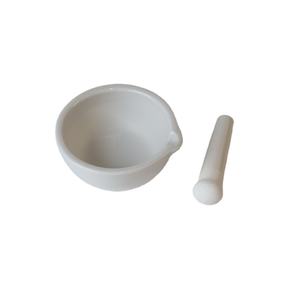
(Aluminum Oxide Ceramic)
To understand why Light weight aluminum Oxide Ceramic outmatches numerous metals and plastics, photo a tiny citadel. Its atoms prepare themselves in a tight cubic latticework, with light weight aluminum and oxygen secured solid ionic bonds– like soldiers in a self-displined formation. This framework provides the product three defining superpowers. First, its solidity competitors that of sapphire, enabling it to stand up to scrapes and use even under consistent rubbing. Second, it laughs at severe warmth, remaining steady approximately 2000 levels Celsius, far hotter than most industrial processes call for. Third, it disregards chemical attacks; acids, salts, and even molten steels glide off its surface without leaving a mark.
What sets Aluminum Oxide Ceramic apart is this atomic consistency. Unlike steels that soften with warm or plastics that thaw, its inflexible lattice keeps shape and toughness in severe conditions. For example, while steel warps near 500 degrees Celsius, Light weight aluminum Oxide Ceramic remains inflexible enough to act as an architectural element in furnaces. Its low electric conductivity additionally makes it a risk-free insulator, shielding sensitive electronics from short circuits. Think about it as a ceramic knight– armored with atomic order, ready to prevent warm, rust, and wear.
Another quiet strength is its density. Though tougher than many metals, Aluminum Oxide Porcelain is remarkably light-weight, making it perfect for aerospace components where every gram matters. Its thermal growth is very little too; it hardly swells when heated, preventing splits in applications with rapid temperature level swings. All these attributes come from that basic cubic lattice, proof that atomic design can redefine product restrictions.
Crafting Light Weight Aluminum Oxide Porcelain From Powder to Accuracy
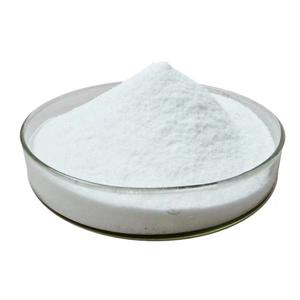
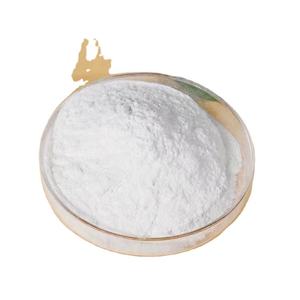
Transforming the atomic capacity of Light weight aluminum Oxide Porcelain into a usable item is a blend of art and scientific research. The trip begins with high-purity raw materials: great aluminum oxide powder, typically derived from bauxite ore and refined to remove impurities. This powder is the structure– any type of pollutants could damage the final ceramic, so manufacturers utilize sophisticated purification to guarantee 99.9% purity.
Next off comes shaping. The powder is pushed right into rough forms utilizing approaches like dry pushing (applying pressure in a mold) or isostatic pressing (squeezing powder uniformly in a versatile bag). For complex forms, shot molding is utilized, where the powder is combined with a binder and infused into mold and mildews like plastic. This step needs accuracy; irregular pressure can develop vulnerable points that fall short later.
The essential phase is sintering. The shaped powder is discharged in a heater at temperatures between 1600 and 1800 degrees Celsius. At this warm, the particles fuse together, collapsing pores and developing a dense, monolithic structure. Competent professionals keep an eye on the temperature contour very closely– also quick, and the ceramic cracks; also slow-moving, and it ends up being brittle. The result is a component with near-zero porosity, prepared for completing.
Machining Aluminum Oxide Ceramic demands diamond-tipped devices, as also solidified steel would have a hard time to suffice. Specialists grind and brighten the components to micrometer tolerances, making certain smooth surfaces for applications like semiconductor carriers. Quality assurance checks thickness, solidity, and thermal shock resistance– going down hot examples into cool water to evaluate for splits. Only those that pass make the title of Aluminum Oxide Porcelain, a testament to precise workmanship.
Where Light Weight Aluminum Oxide Porcelain Satisfies Industrial Demands
The true test of Aluminum Oxide Ceramic lies in its applications– places where failing is pricey. In semiconductor manufacturing, it’s the unhonored hero of cleanrooms. Wafer carriers made from Light weight aluminum Oxide Ceramic hold fragile silicon discs throughout high-temperature handling, withstanding contamination from metals or plastics. Its thermal conductivity additionally spreads out warmth uniformly, stopping hotspots that can spoil microchips. For chipmakers chasing smaller, quicker transistors, this ceramic is a guardian of purity.
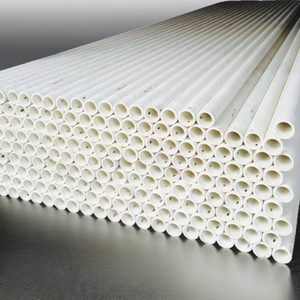
( Aluminum Oxide Ceramic)
Aerospace designers rely upon Aluminum Oxide Ceramic for components facing severe heat and stress and anxiety. Rocket nozzles, for example, endure temperature levels hotter than molten lava as exhaust gases rush out. Metals would thaw, however Aluminum Oxide Ceramic retains its form, guiding thrust effectively. Jet engine sensing units utilize it as an insulator, protecting fragile electronics from the fiery core while properly monitoring turbine health and wellness.
Clinical tools benefit from its biocompatibility– meaning it does not activate immune responses. Synthetic joints made from Aluminum Oxide Ceramic simulate bone hardness, lasting decades without wear. Oral implants use it also, mixing flawlessly with jawbones. Its sterilizability also makes it excellent for medical tools that need to hold up against autoclaving.
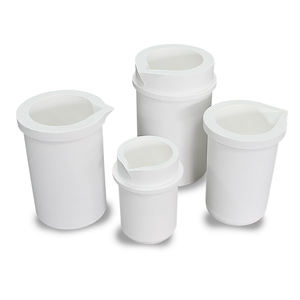
Power fields harness its resilience. In photovoltaic panel production, it creates crucibles that hold molten silicon, resisting rust from the component. Lithium-ion batteries make use of Aluminum Oxide Ceramic coatings on separators, protecting against brief circuits and expanding battery life. Even nuclear reactors line parts with it, as its radiation resistance safeguards against activator core damage.
Introducing With Light Weight Aluminum Oxide Ceramic for Tomorrow
As technology advances, Aluminum Oxide Porcelain is adapting to new duties. Nanotechnology is a frontier– researchers are creating nano-grained variations with fragments under 100 nanometers. These powders can be mixed right into polymers to make compounds that are both solid and lightweight, perfect for drones or electrical car components.
3D printing is opening doors. By mixing Light weight aluminum Oxide Ceramic powder with binders, designers are printing intricate shapes like latticework heat exchangers or custom-made nozzles. This minimizes waste and accelerate prototyping, letting clients test makes much faster. Though still developing, 3D-printed Light weight aluminum Oxide Ceramic can soon make it possible for bespoke elements for particular niche applications.
Sustainability is driving innovation also. Suppliers are discovering microwave sintering to reduce power usage by 30%, lining up with eco-friendly manufacturing goals. Reusing programs recover Aluminum Oxide Ceramic from old components, grinding it back right into powder for reuse. Scientists are also checking it in hydrogen gas cells, where its rust resistance could expand part life.
Cooperation gas progress. Firms are partnering with universities to discover quantum computing applications– Light weight aluminum Oxide Porcelain’s shielding residential properties may secure qubits from electro-magnetic noise. In wearable technology, adaptable versions are being evaluated for sensing units that keep an eye on wellness without bothersome skin. The future isn’t nearly refining what exists; it’s about visualizing brand-new usages, and Aluminum Oxide Porcelain is ready to adjust.

( Aluminum Oxide Ceramic)
In the grand tale of advanced materials, Aluminum Oxide Ceramic is a phase of durability and reinvention. Born from atomic order, shaped by human skill, and evaluated in the harshest edges of sector, it has actually ended up being crucial to technology. From powering chips to releasing rockets, from recovery bodies to keeping power, this ceramic verifies that toughness doesn’t have to come at the price of accuracy. For a business dedicated to quality, mastering Light weight aluminum Oxide Ceramic methods greater than marketing an item– it means partnering with customers to develop a future where efficiency knows no bounds. As research presses limits, Aluminum Oxide Ceramic will maintain driving commercial development, one atom at a time.
TRUNNANO chief executive officer Roger Luo stated:” Light weight aluminum Oxide Porcelain is vital in key fields, innovating continuously to drive industrial progression and adapt to brand-new challenges.”
Provider
Advanced Ceramics founded on October 17, 2012, is a high-tech enterprise committed to the research and development, production, processing, sales and technical services of ceramic relative materials and products. Our products includes but not limited to Boron Carbide Ceramic Products, Boron Nitride Ceramic Products, Silicon Carbide Ceramic Products, Silicon Nitride Ceramic Products, Zirconium Dioxide Ceramic Products, etc. If you are interested in alumina al203, please feel free to contact us.
Tags: alumina ceramics,alumina oxide,alumina oxide ceramic
All articles and pictures are from the Internet. If there are any copyright issues, please contact us in time to delete.
Inquiry us