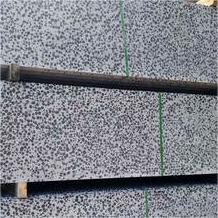
Intro to CLC Foaming Representatives: Enabling High-Performance Aerated Concrete Systems
CLC (Cellular Lightweight Concrete) foaming agents have actually emerged as a transformative element in modern building materials, allowing the production of ultra-lightweight, thermally efficient, and structurally viable concrete systems. These surfactant-based ingredients produce stable air bubbles within cementitious mixes, forming a porous microstructure that dramatically decreases density while preserving compressive strength. As worldwide need grows for energy-efficient structures and low-carbon facilities, CLC lathering agents are playing an increasingly critical role in redefining concrete innovation toward sustainability and performance optimization.
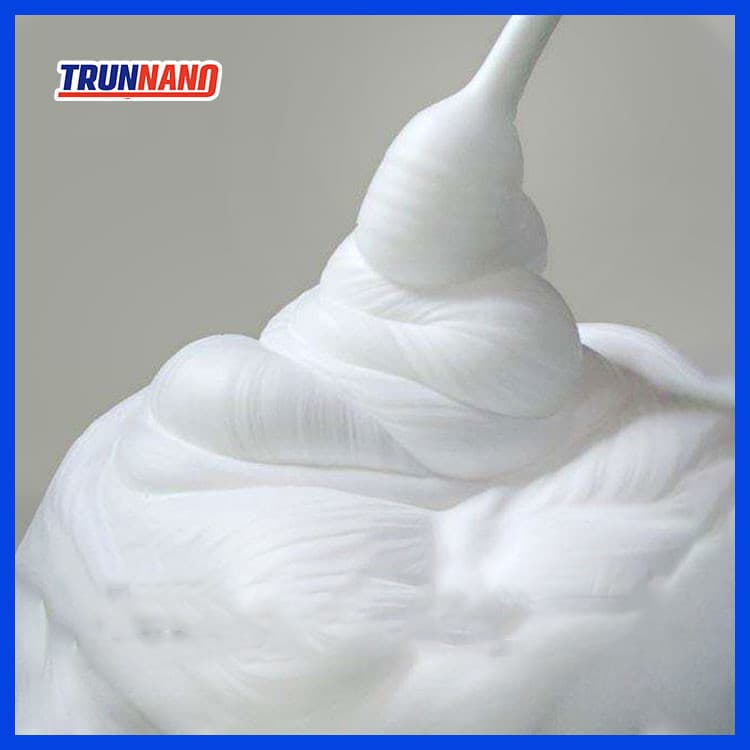
(CLC Foaming Agent)
Mechanism and Chemistry Behind CLC Foaming Representatives
At the core of CLC technology is the foaming agent– a surface-active material that lowers the surface stress of water, enabling air to be entrained right into a fine, consistent foam. Commonly used chemical families consist of protein-based, artificial surfactants, and customized lignosulfonates, each offering unique bubble stability, compatibility with cement hydration, and ecological influence profiles. When introduced into a pre-mixed slurry of cement, sand, and water, the foam integrates right into the matrix, developing millions of separated voids that boost insulation residential or commercial properties without endangering architectural honesty. This procedure makes it possible for precise control over thickness, typically varying from 300 to 1600 kg/m FOUR.
Advantages of CLC Technology in Modern Construction
The combination of CLC foaming agents brings numerous benefits to construction practices. By reducing material weight, they minimize structural lots on foundations and structures, allowing for thinner pieces and taller building layouts. The high porosity of CLC concrete offers exceptional thermal and acoustic insulation, lowering HVAC power intake and boosting indoor convenience. In addition, its fire resistance, mold resistance, and convenience of taking care of make it excellent for retrofitting, prefabrication, and disaster-resilient real estate. In developing economic situations, CLC innovation offers a cost-effective alternative to typical masonry, sustaining rapid urbanization with marginal resource usage.
Applications Throughout Civil Engineering and Framework Sectors
CLC lathering representatives support a large range of applications beyond common wall panels and floor screeds. They are thoroughly utilized in roofing system insulation, trench backfilling, bridge abutment gap filling, and geotechnical stabilization where light-weight yet load-bearing fillers are needed. In environment-friendly structure jobs, CLC obstructs add to achieving LEED accreditation by improving power efficiency and minimizing personified carbon. In addition, their use in drifting concrete frameworks, sound barriers, and cold store centers shows the versatility of this modern technology across varied engineering environments.
Technological Advancements Driving CLC Efficiency Enhancements
Recent improvements in CLC foaming agent chemistry and application methods have considerably boosted the mechanical and resilience characteristics of oxygenated concrete. Nanoparticle-modified foams, crossbreed foaming systems combining healthy protein and synthetic surfactants, and bio-based choices originated from plant essences are getting grip due to their boosted security and eco-friendliness. Additionally, electronic dosing systems and AI-assisted foam generation units enable real-time changes throughout mixing, making sure consistent top quality across large-scale puts and intricate architectural types.
Environmental Influence and Sustainability Considerations
Among the most compelling elements of CLC technology depends on its positioning with round economy principles. By including industrial results such as fly ash, slag, and crushed glass right into the slurry mix, CLC reduces dependence on virgin materials and draws away waste from garbage dumps. Frothing representatives themselves are being reformulated to minimize poisoning and biodegradability, resolving issues regarding leaching and long-lasting environmental effects. Additionally, the minimized transport impact of lightweight CLC components contributes to reduce carbon monoxide two discharges throughout the supply chain, strengthening its function in sustainable construction environments.
Market Dynamics and Global Industry Expansion
( CLC Foaming Agent)
The marketplace for CLC foaming representatives is experiencing durable development, particularly in Asia-Pacific, the Middle East, and Africa, where there is strong government support for inexpensive housing and climate-resilient framework. Principal in the building and construction chemicals field are spending greatly in R&D to create proprietary foaming formulations tailored for different weather problems and regulatory requirements. Strategic partnerships in between material distributors, design companies, and scholastic establishments are increasing product development and increasing fostering pathways. As building codes develop to fit lightweight concrete modern technologies, the demand for sophisticated CLC lathering agents is expected to rise even more.
Obstacles and Technical Limitations in Practical Application
Regardless of its many benefits, the prevalent adoption of CLC frothing representatives encounters numerous technical and logistical challenges. Foam instability under adverse weather conditions, incorrect treating resulting in contraction splits, and restricted understanding among service providers continue to be persistent problems. Variability in basic material top quality– especially cement and sand– can influence foam retention and last strength growth. There is additionally a demand for standardized screening procedures and training programs to make certain proper execution throughout different job types. Resolving these voids needs coordinated initiatives between market stakeholders, policymakers, and scholastic researchers.
The Future Outlook: Assimilation with Smart Construction and Environment-friendly Structure Trends
Looking ahead, CLC lathering agents will certainly play a critical duty fit the future generation of intelligent and sustainable building and construction. Their assimilation with Structure Details Modeling (BIM), automated batching systems, and IoT-enabled monitoring devices will certainly allow real-time quality assurance and anticipating upkeep. In tandem with net-zero building methods, CLC innovation will certainly sustain the creation of ultra-low-energy frameworks that incorporate thermal efficiency with structural resilience. As additive production and 3D printing gain energy, lathered concrete blends allowed by CLC frothing agents might unlock brand-new style opportunities and building and construction techniques previously unattainable with standard products.
Distributor
Cabr-Concrete is a supplier of Concrete Admixture with over 12 years of experience in nano-building energy conservation and nanotechnology development. It accepts payment via Credit Card, T/T, West Union and Paypal. TRUNNANO will ship the goods to customers overseas through FedEx, DHL, by air, or by sea. If you are looking for high quality Concrete Admixture, please feel free to contact us and send an inquiry.
Tags: foaming agent, foamed concrete, concrete admixture
All articles and pictures are from the Internet. If there are any copyright issues, please contact us in time to delete.
Inquiry us